Vinaria Nave de Oro
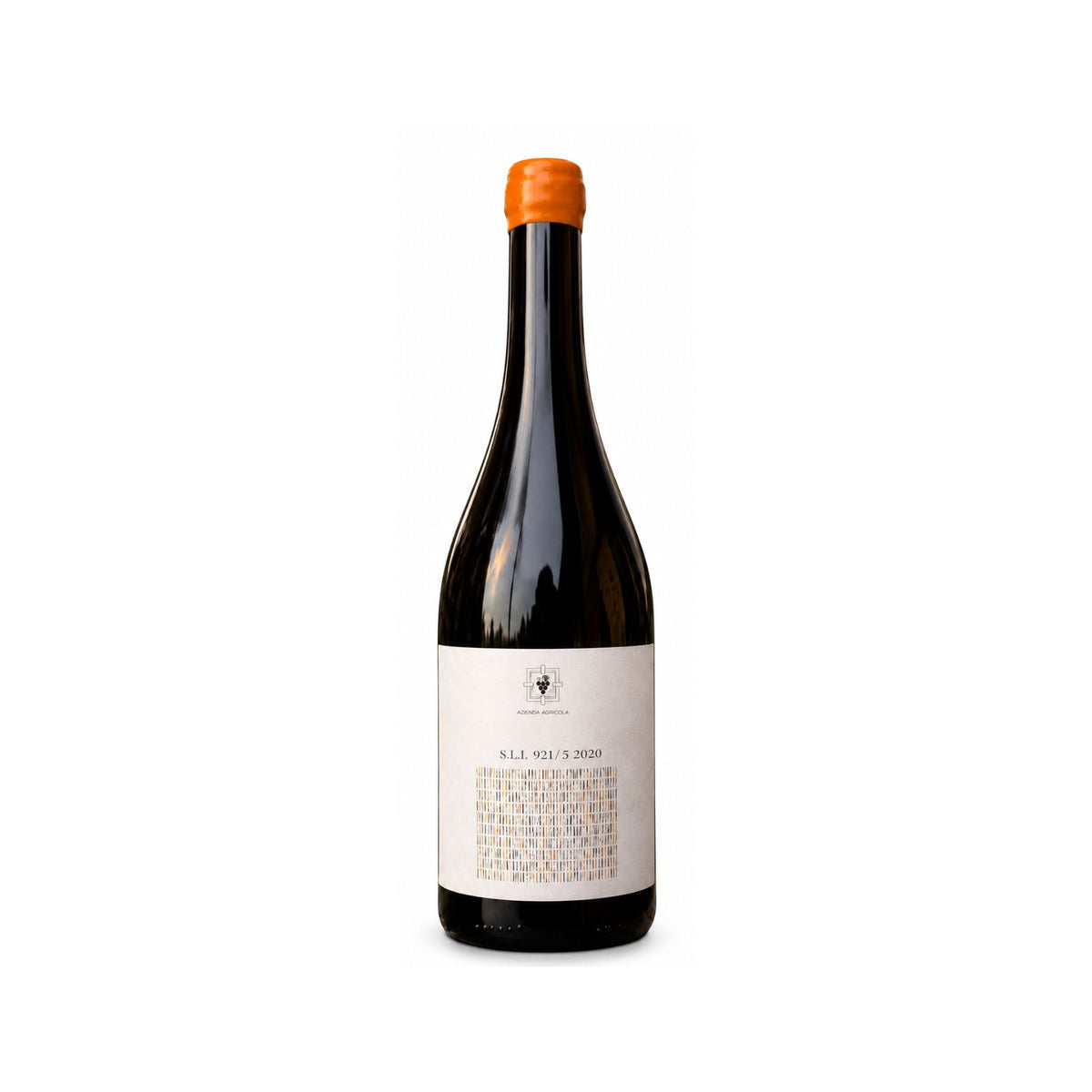
SLI 921/5 2020 - Azienda Agricola Paolo Sandro Pettarin
SLI 921/5 2020 - Azienda Agricola Paolo Sandro Pettarin
Couldn't load pickup availability
Souvignier Gris: Skin Maceration and Low-Intervention Viticulture
The SLI 921/5 Souvignier Gris 2024 by Paolo Sandro Pettarin is a skin-macerated white wine that reflects a search for expressive freedom and sustainability. At the heart of the project is Souvignier Gris, a PIWI grape variety developed in Freiburg, Germany, chosen for its resistance to major vine diseases and its potential to support a more environmentally conscious approach to viticulture.
The producer's philosophy is reflected in a significant choice: no treatments have been carried out in the vineyard over the past six years. In the cellar, too, the approach remains essential, combining semi-carbonic fermentation, skin maceration and extended ageing in used barriques.
The result is a wine that focuses on texture and the complexity brought by maceration, without losing its varietal identity.
The Winemaker's Notes
“With SLI 921/5, we are interested in the relationship between a disease-resistant grape variety, low-intervention viticulture and a winemaking approach capable of giving the wine depth. Skin maceration and extended ageing in used barriques are fundamental stages of the project: time becomes a tool for building structure and complexity, without resorting to intrusive techniques.”
— Yuri Stefani
Why We Chose It
We chose SLI 921/5 because it offers an intriguing interpretation of white wine, far removed from more conventional styles.
Souvignier Gris is still relatively unfamiliar to many wine enthusiasts, yet it is particularly interesting for those looking towards more sustainable viticulture. Approximately one month of skin maceration and 16 months of ageing in used barriques give the wine a more structured and complex character.
It is a bottle worth discovering for those who enjoy skin-contact white wines and artisan wines in which vineyard practices and cellar decisions are integral to the wine's identity.
The Terroir
The vineyard identified by the code SLI 921/5 is located in the area of San Lorenzo Isontino, in Friuli Venezia Giulia, northeastern Italy.
The soil is alluvial in origin, formed during the Late Pleistocene. Its abundant pebbles and iron oxides define its composition and tell a geological story connected to the evolution of the landscape.
The numerical reference on the label identifies the vineyard; 2020 indicates the year the vines were planted, while the wine itself is the 2024 vintage.
The Winery
Paolo Sandro Pettarin is a young winemaker who has built his career through years of hands-on experience, developing a personal approach to wine rooted in craftsmanship, experimentation and respect for the raw material.
A key stage in his development was his collaboration with Patrick Uccelli, alongside whom he worked as right-hand man both in the vineyards and in the cellar. This experience gave him first-hand insight into a winemaking philosophy based on minimal intervention, attention to natural processes and the desire to guide a wine without forcing its expression.
Paolo shares many of these principles, which he now reinterprets through his own viticultural and winemaking choices. His wines seek a balance between intervention and freedom of expression, driven by a willingness to experiment and to create distinctive bottles that stand apart from conventional styles.
Technical Details
Producer: Paolo Sandro Pettarin
Wine: SLI 921/5
Vintage: 2024
Grape variety: Souvignier Gris
Style: Skin-contact white wine
Alcohol: 13% ABV
Location: San Lorenzo Isontino, Friuli Venezia Giulia, Italy
Year the vines were planted: 2020
Soil: Alluvial, formed during the Late Pleistocene, rich in pebbles and iron oxides
Viticulture: No treatments in the vineyard over the past six years
Harvest: First ten days of September
Vinification: Grapes destemmed without crushing; semi-carbonic fermentation
Maceration: Approximately one month on the skins
Ageing: 16 months in third-use barriques
Bottling: Minimal addition of sulphur dioxide
Tasting Notes
Colour
Prolonged contact with the skins gives the wine an orange hue.
Nose
A profile to explore through notes of ripe fruit, citrus and herbs, accompanied by aromatic development resulting from skin maceration and extended ageing.
Palate
Skin contact and carbonic maceration contribute soft, elegant tannins and a lively thread of acidity. Ageing in used barriques supports the wine's evolution without relying on the aromatic impact of new oak.
Food Pairings
Perfect to enjoy with:
-
Medium-aged cheeses
-
Roasted vegetables and mushroom dishes
-
Herb risottos
-
Oven-baked or grilled fish
-
White meats
-
Spiced dishes from Eastern cuisine
Share